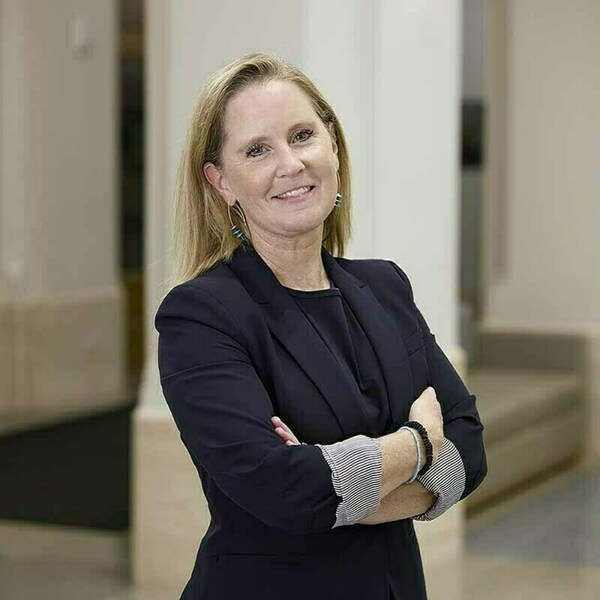
Anne Lally named Notre Dame Visiting Professor of the Practice
Katalyst Board Chair Anne Lally has been named a Visiting Professor of the Practice at the University of Notre Dame, where she will teach during the 2025-2026 academic year.
Supply chain governance for human rights & environmental protection.
Here we share updates on publications, events Katalyst sponsors, examples of how Katalyst helps to inform policy on value chains, our efforts to support civil society in developing a multidisciplinary approach to governing global value chains; and our efforts to help develop the next generation of sustainability leaders.

Katalyst Board Chair Anne Lally has been named a Visiting Professor of the Practice at the University of Notre Dame, where she will teach during the 2025-2026 academic year.

Katalyst’s Anne Lally joined Ray Offenheiser and Bennett Freemand for a panel at the University of Notre Dame on the need for transformative change in value chains.

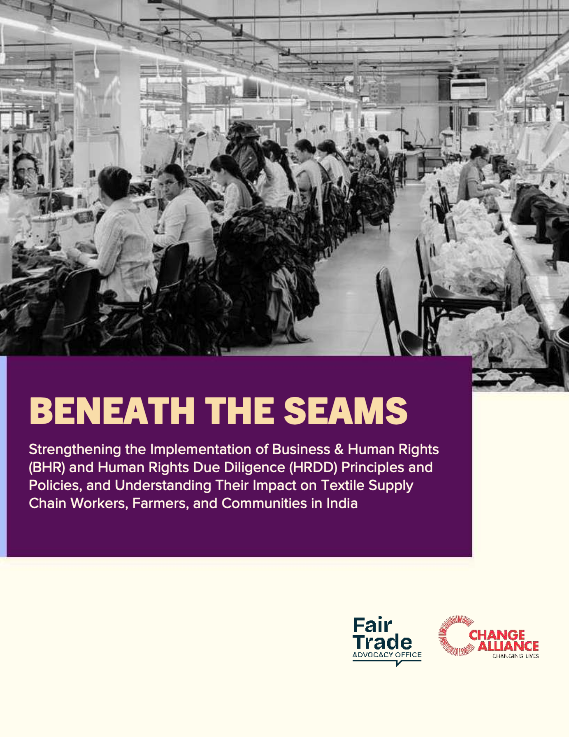
This new report highlights the continuing need for work on living wages. We were pleased to learn Katalyst’s research was useful as a resource in its development.
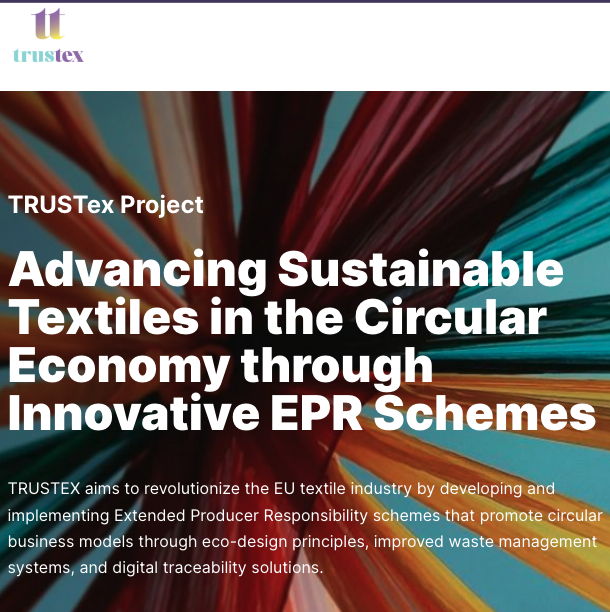
Katalyst shared recent research in a webinar with the Horizon Europe-supported TRUSTex project, which works on Extended Producer Responsbility for the garment industry.

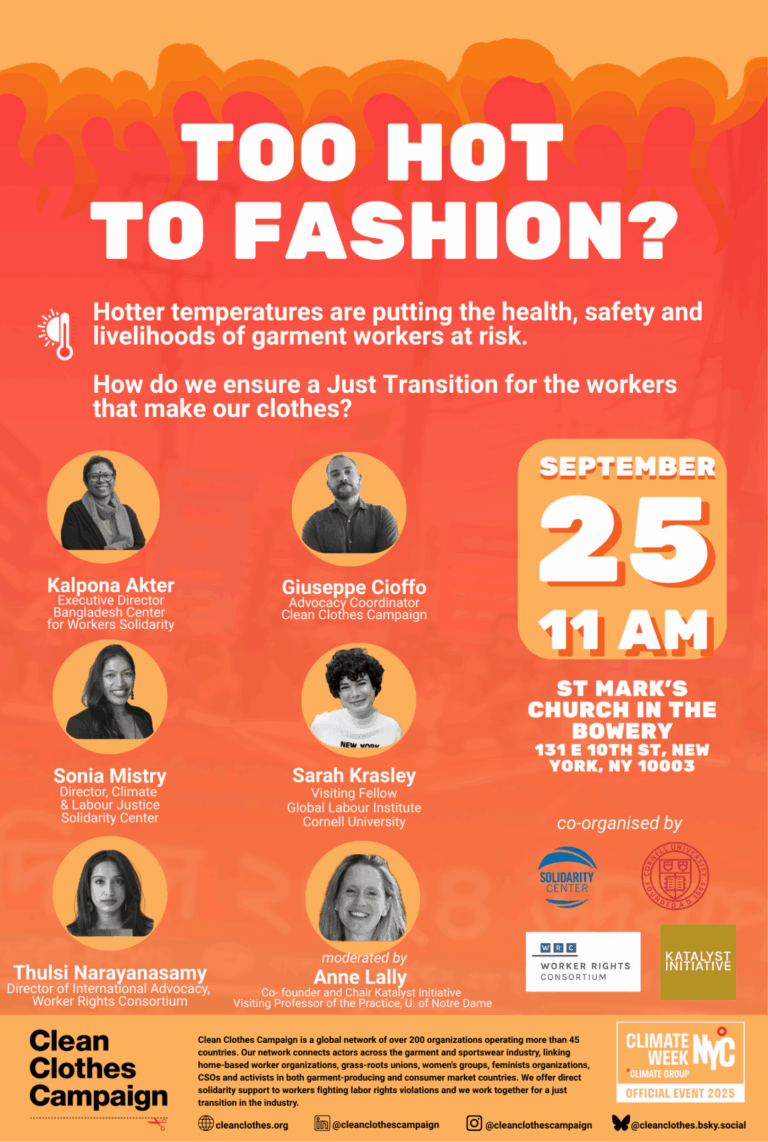
Katalyst’s Anne Lally facilitated this panel at Climate Week NYC, focused on the ways climate change is impacting garment workers.

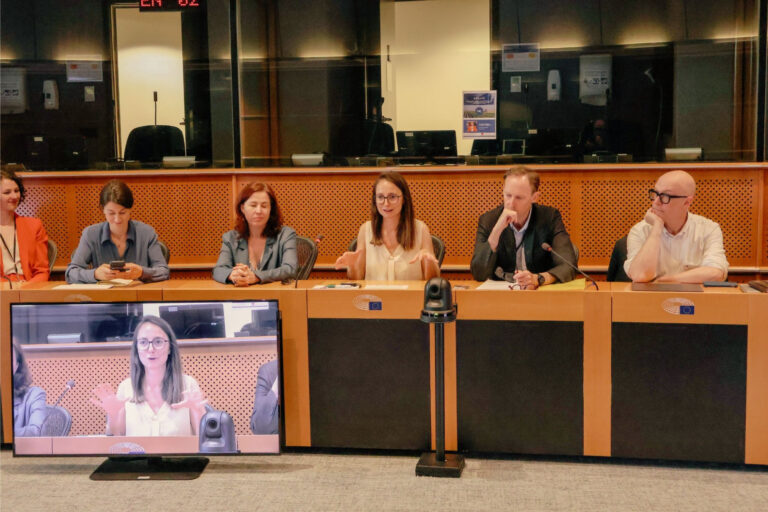
Katalyst’s Martin Curley joined a panel with MEPs including Saskia Bricmont, Lara Wolters and Barry Andrews to help launch the Sustainable Textiles Working Group.

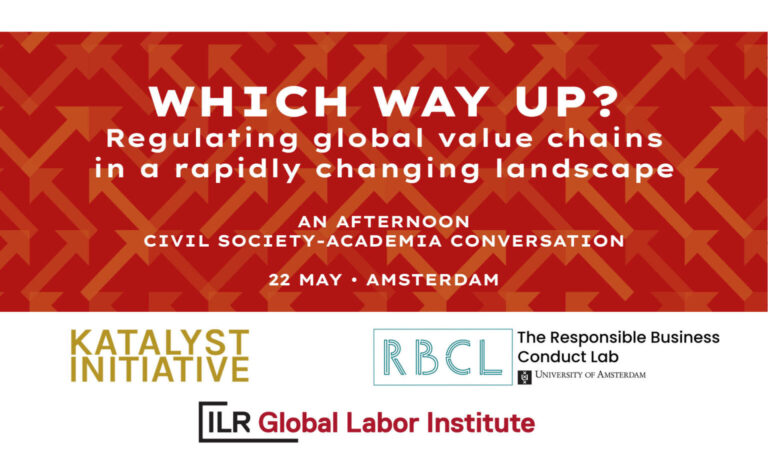
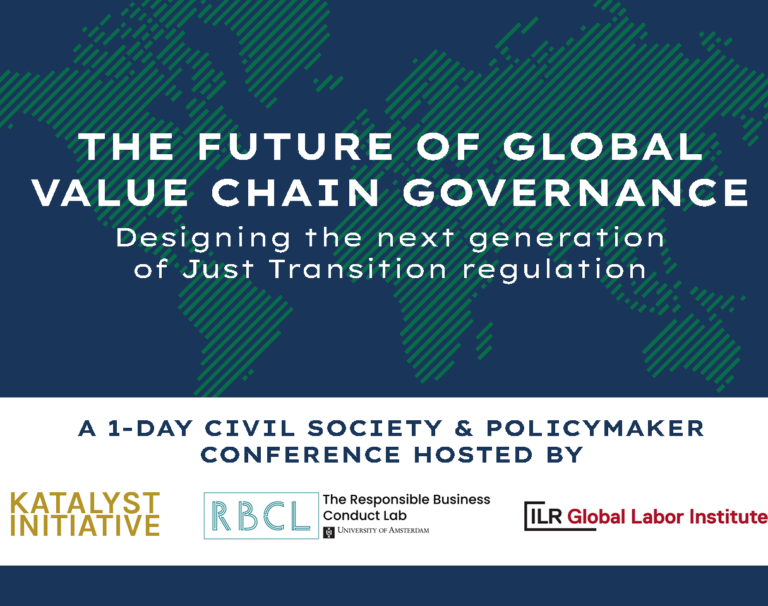
Katalyst, together with our colleagues at the University of Amsterdam Responsible Business Conduct Lab and the ILR Global Labor Institute, today hosted a half-day conversation with a small group of civil society and academic experts.

Katalyst was invited to present observations about the interface between digital tools and value chain governance as the 2025 Asser Institute Spring Academy in the Hague.

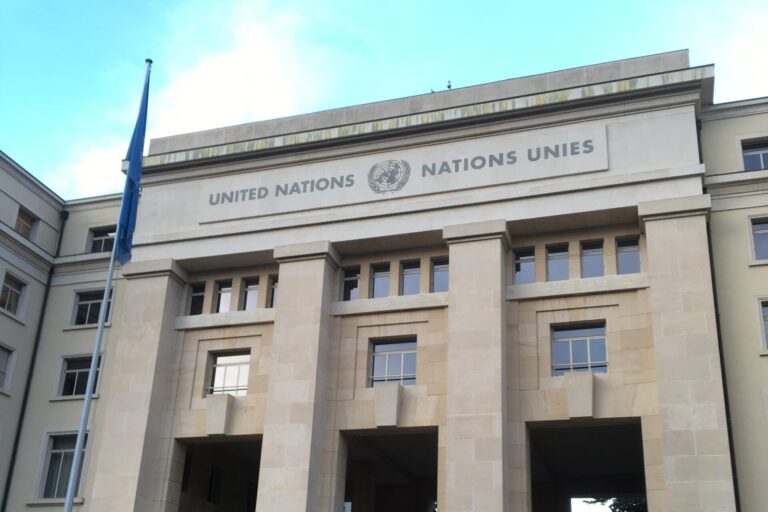
In addition to participating in the UN Forum sessions this year, Katalyst also distributed research materials at the Forum’s new ‘Marketplace’

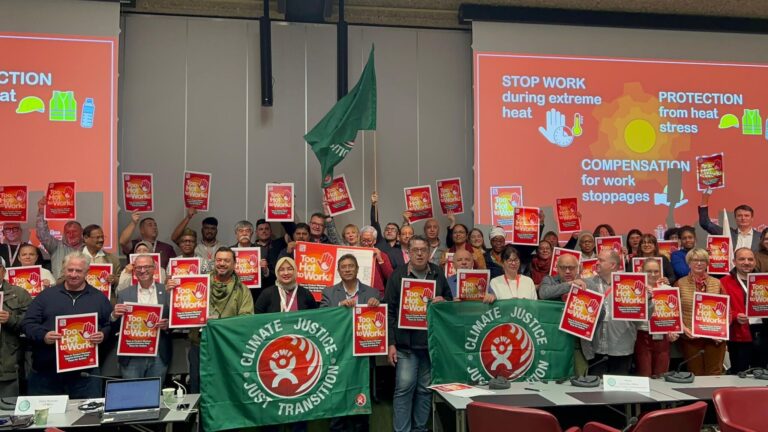
Katalyst joins more than 100 trade union leaders and allies at BWI – Building and Wood Workers International – Global Climate Justice Summit

Katalyst convened a global group of experts from trade unions, environmental and labour NGOs, government policymaking bodies, and academia to start laying the groundwork for the next generation of value chain regulation for a Just Transition.

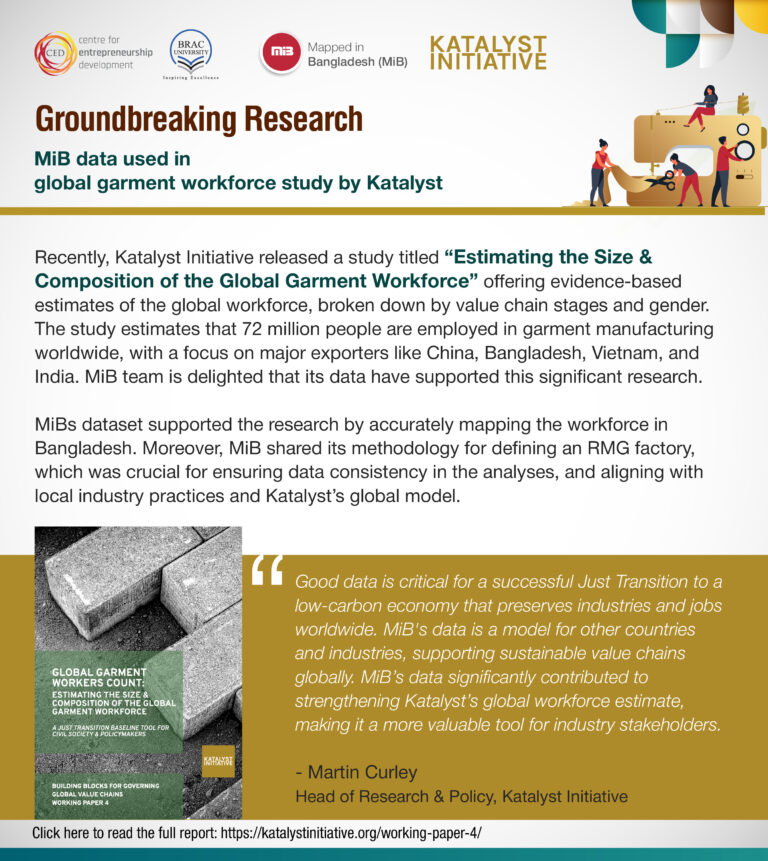
Katalyst’s research was highlighted by Mapped in Bangladesh’s October newsletter.

Katalyst is excited to welcome two new Board Members: Human Rights Due Diligence expert Hendrine Stelwagen and University of Amsterdam Professor of Private Law Klaas Hendrik Eller.

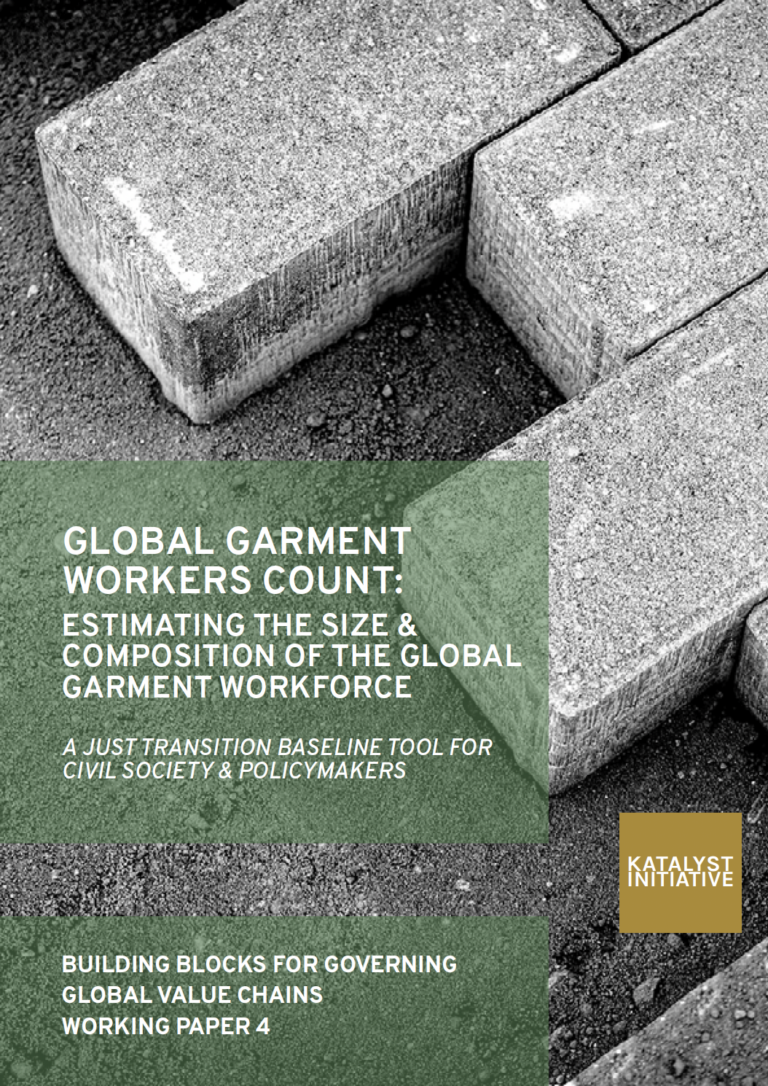
Katalyst’s new paper provides answers to longstanding questions about the size, location and distribution of the world’s garment workforce, providing a critical foundation for Just Transition planning.

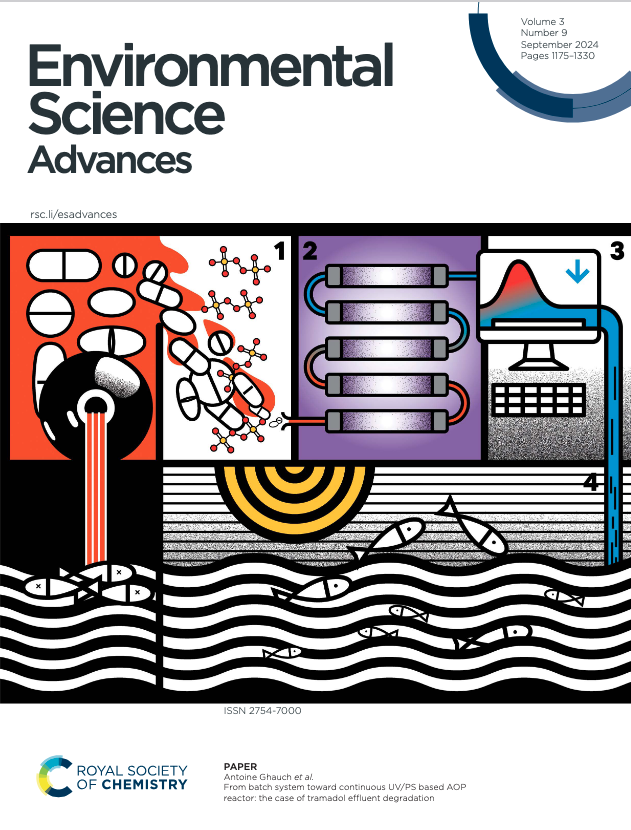
In this new paper, published in Environmental Science: Advances, co-authored with University of Amsterdam’s Responsible Business Lab’s Luc Fransen, and building on KI’s Trade Realities paper, we explore how trade flows and the design of new value chain governanance laws may impace policy design.

Katalyst is honored to partner with this exciting new initiative from the University of Amsterdam.

Katalyst is pleased to be participating in the ‘Rebalance Democracy and Capitalism‘ series of talks hosted by the University of Pisa. In this talk, we

Katalyst was invited to present reflections on the ways technology and due diligence can and should interact at the 2024 Asser Institute Spring Academy. The academy

Katalyst recently joined Canopy at the Cambridge Institute for Sustainability Leadership, at the University of Cambridge.

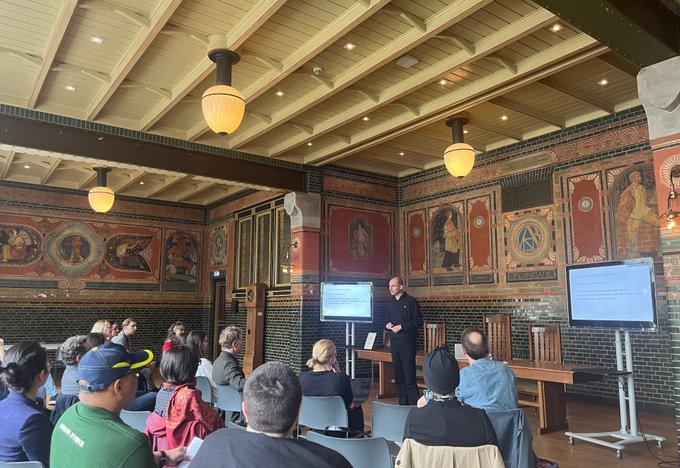
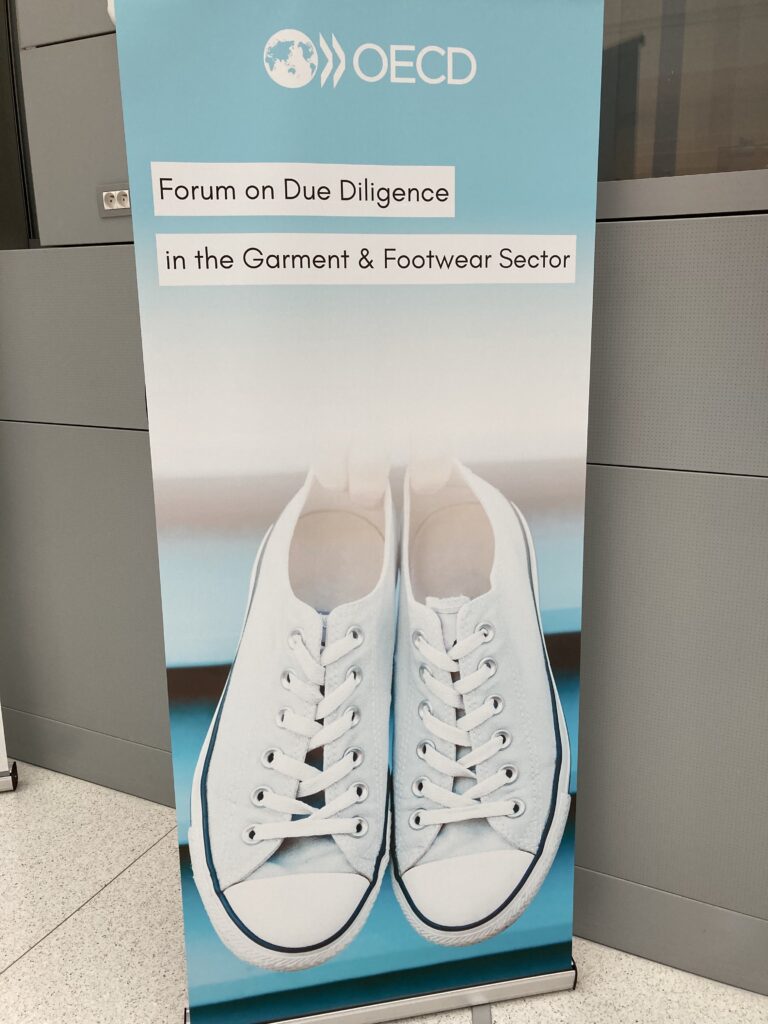
Katalyst participated this week in the OECD Forum on Due Diligence in the Garment & Footwear sector.

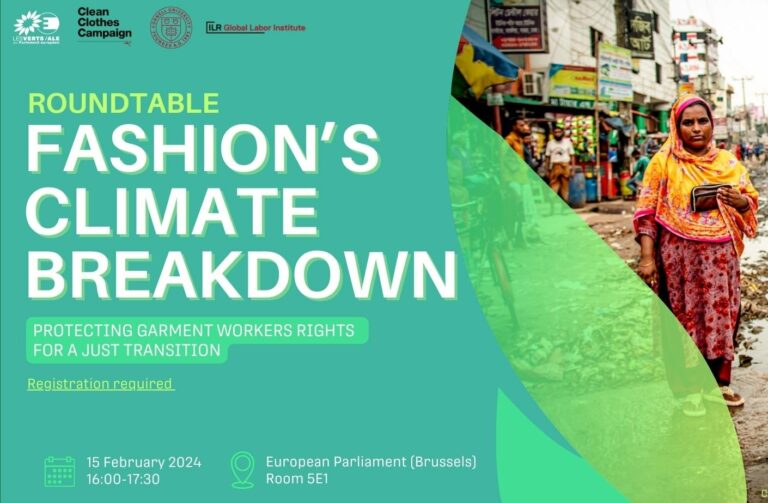
Katalyst joined our colleagues from Cornell’s Global Labor Institute this week for a series of presentations in Amsterdam and Brussels to civil society, policymakers and

Katalyst spoke this week with Professor Elena Sychenko’s ESG Compliance class at the University of Bologna, discussing human rights and climate risks in supply chains, and steps

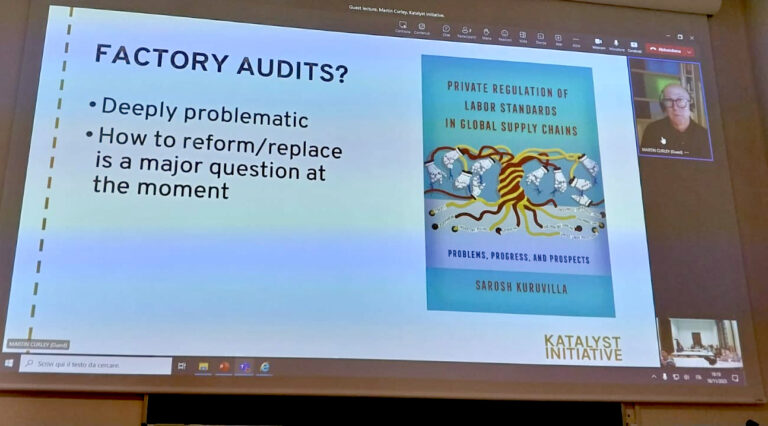
Katalyst’s Martin Curley was a guest lecturer this week with Professor Sarosh Kuruvilla at Cornell University in New York.

Katalyst participated in the Unpacking the CSDDD: Responsibility, Climate and Justice workshop today, hosted by ECCJ, FoE and Frank Bold in Brussels.

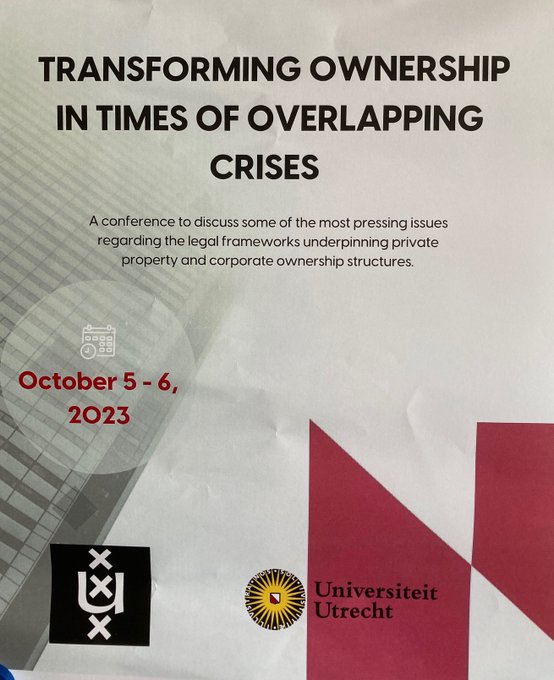
This conference explored practical and often preexisting alternatives to traditional corporate ownership models that can solve some of the problems of concentration of power and wealth disparities and their myraid negative consequences for the economy, workers, and climate.

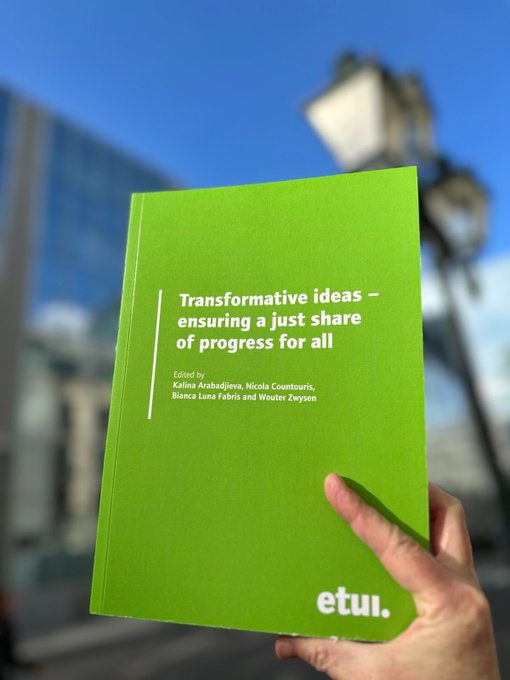
Katalyst’s Anne Lally joined a wide range of other civil society groups at the European Trade Union Institute’s ‘Transformative Ideas: Ensuring a Just Share of

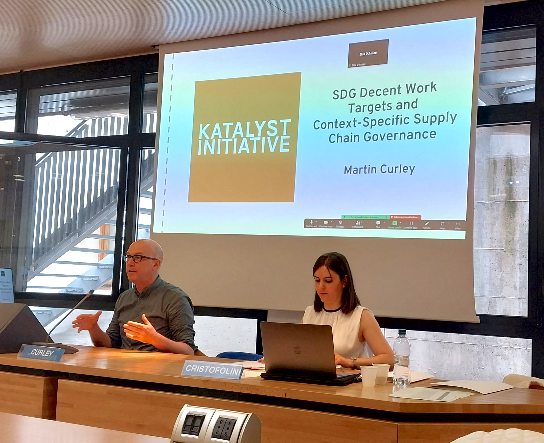
Katalyst’s Martin Curley was invited to give a talk at the University of Trento Faculty of Law conference, a meeting of labour lawyers and associated

We were excited to join the workshop ‘Supply Chain Governance in Europe and Beyond’ sponsored by the University of Amsterdam’s Amsterdam Centre for European Studies.

Building on our ‘Trade Realities’ research, we explore which countries will benefit the most from the proposal and how, combined with good data, it can help create the long-sought-after ‘level playing field’ for living wages.

We met this week with with Professor Lukas Linsi’s International Relations & International Organization students at the University of Groningen about supply chain governance for human rights.

Katalyst participated in the OECD Garment Forum in Paris this week. Great to catch up with our civil society friends and colleagues from around the world in

Katalyst and Cornell’s Global Labour Institute present two new research papers in this official side session to the OECD Garment Forum.

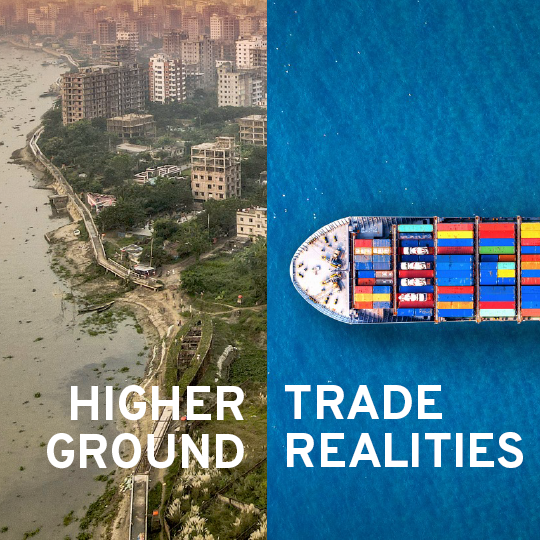
In our new paper, Trade Realities: Using Trade Data to Strengthen the Design of Supply Chain Governance, Katalyst uses trade data to explore how the

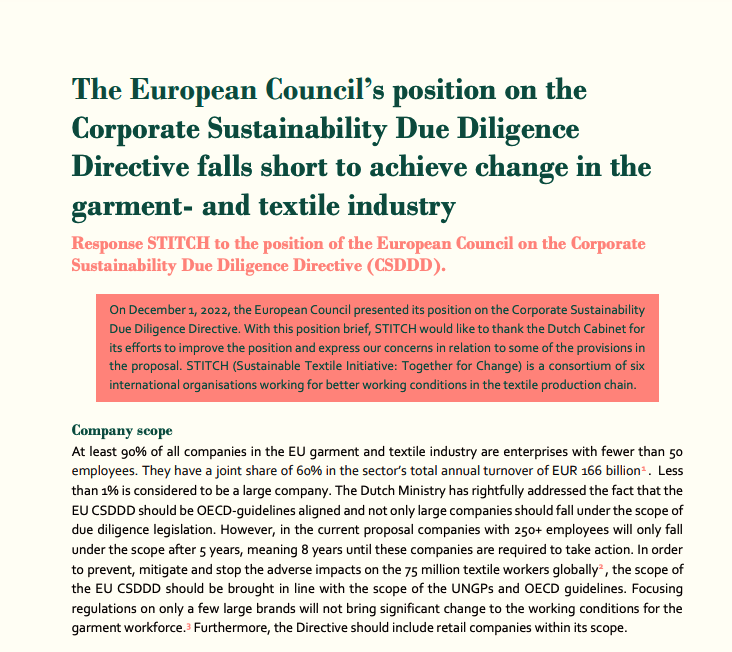
Katalyst’s research was quoted in the STITCH position paper on the EU Corporate Sustainability Due Diligence Directive, in a discussion about the importance of not limiting scope only to large companies.

Katalyst’s Martin Curley was recently invited to be a guest speaker at Cornell University’s Industrial & Labor Relations School’s ‘Labor Practices in Global Supply Chains’

We were greatly saddened to learn of the passing of Klaus Hohenegger, a longtime friend and colleague to many involved with Katalyst Initiative.

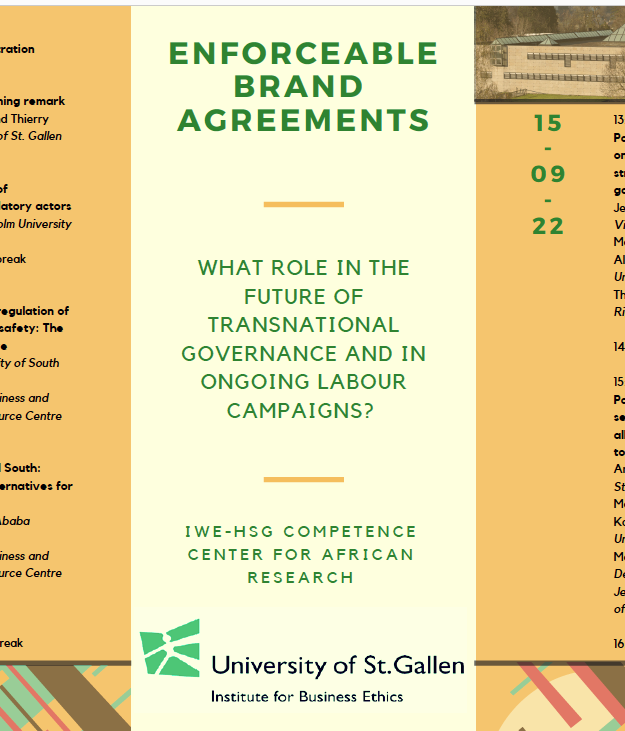
Katalyst joined an international mix of researchers and practitioners at the University of St. Gallen to explore the possibilities of Enforceable Brand Agreements
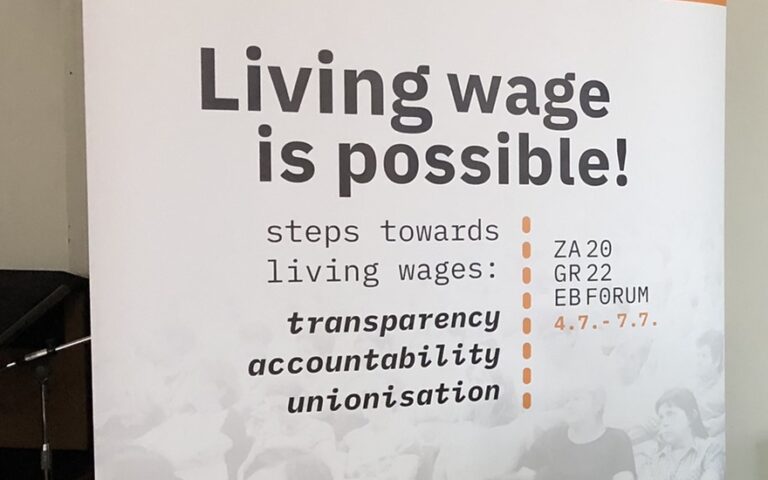
Katalyst was pleased to be invited to speak at the Clean Clothes Campaign and Novi Sindikat conference Living Wage is Possible in Zagreb.
Katalyst shared the findings from our recent Building Blocks papers with the Cornell ILR New Conversations Project Advisory Board as part of NCP’s 2022 Annual Conference

A companion to Sizing up the Garment Industry, this describes how power relations in the garment industry need to be considered in creating regulations for both human rights and environmental issues.

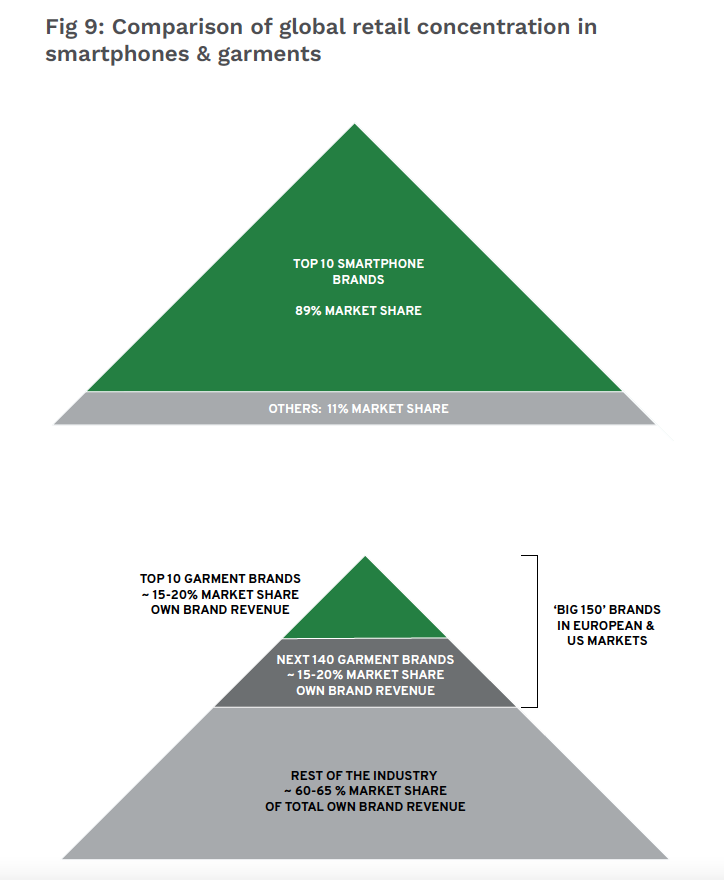
How many garment brands would need to change their behaviour in order to reach a ‘critical mass’ leading to widespread improvement in respect for human

Katalyst was pleased to contribute to the Platform Living Wage Financials Annual Conference, sharing some of our thinking about risk-shifting in supply chains. PLWF is an alliance

Katalyst was invited to share some thoughts on due diligence and risk monitoring by the editors of Board Agenda.

Katalyst’s Martin Curley was interviewed for an article in Board Agenda on due diligence in the garment industry. Read the full post here.

A new publication from KI’s Martin Curley on the EUIdeas Blog at the European University Institute argues that creating a central role for labour and civil society in deciding what ‘good’ due diligence looks like is critical as efforts to make human rights due diligence mandatory gather speed.